⚡ Dialing in your wheelbase force feedback parameters and load cell brake curves is essential for handling Sugo’s severe elevation shifts and wet weather transitions:
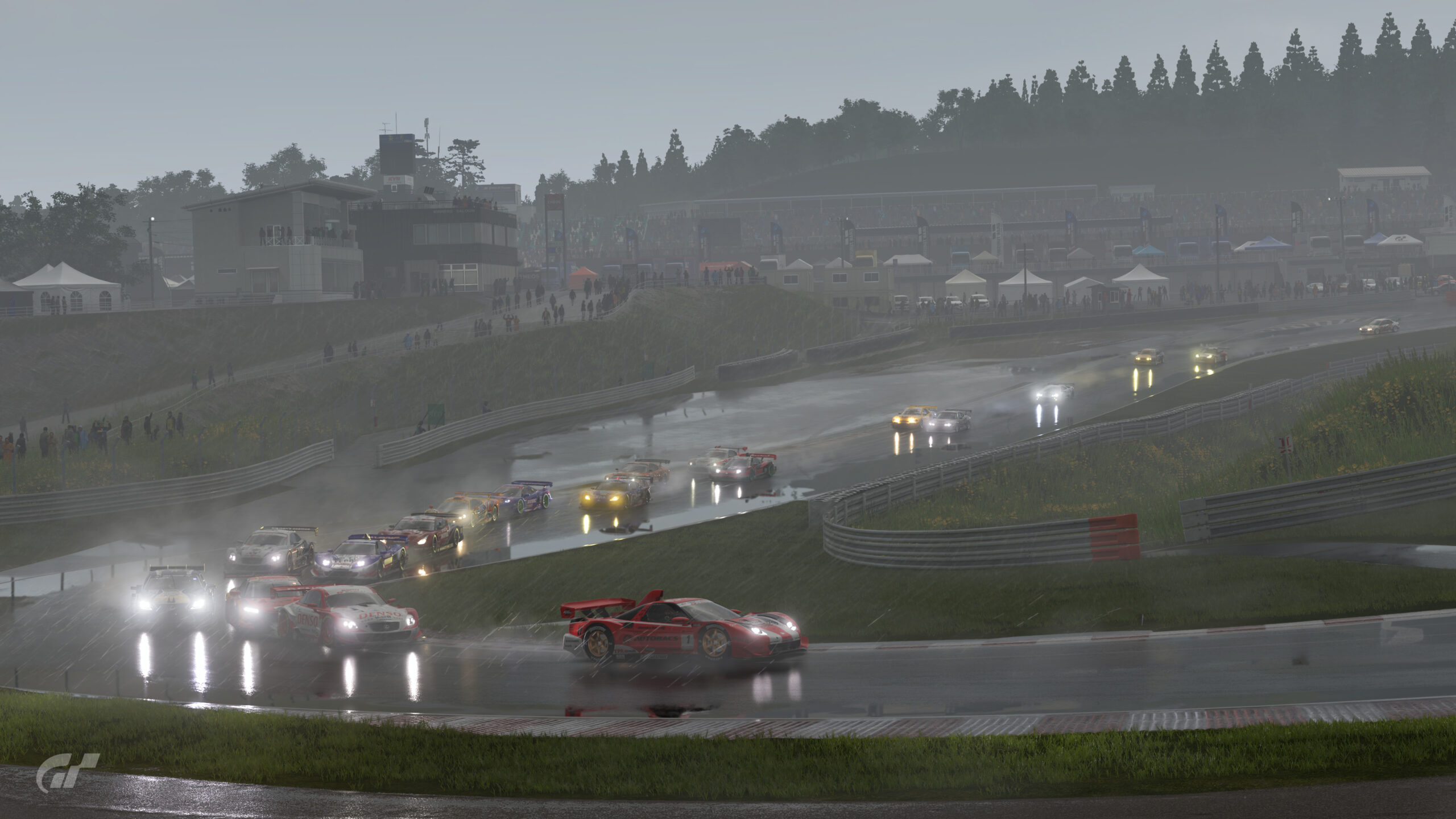
🛠️ View GT7 GT DD Pro Settings ↗When Polyphony Digital dropped the free Spec IV update (version 1.72), the inclusion of Sportsland Sugo sent waves through the community. Nestled in the hills of Miyagi Prefecture, Japan, Sugo is legendary for one major milestone: it is the very first post-launch circuit added to Gran Turismo 7 to break the dry streak and feature **full wet-weather surface dynamics**.
With an intense elevation profile and no true flat sections, mastering Sugo—especially when rain hits—requires a completely different tactical approach than traditional flat circuits. Here is your definitive masterclass to conquering Sugo in GT7.
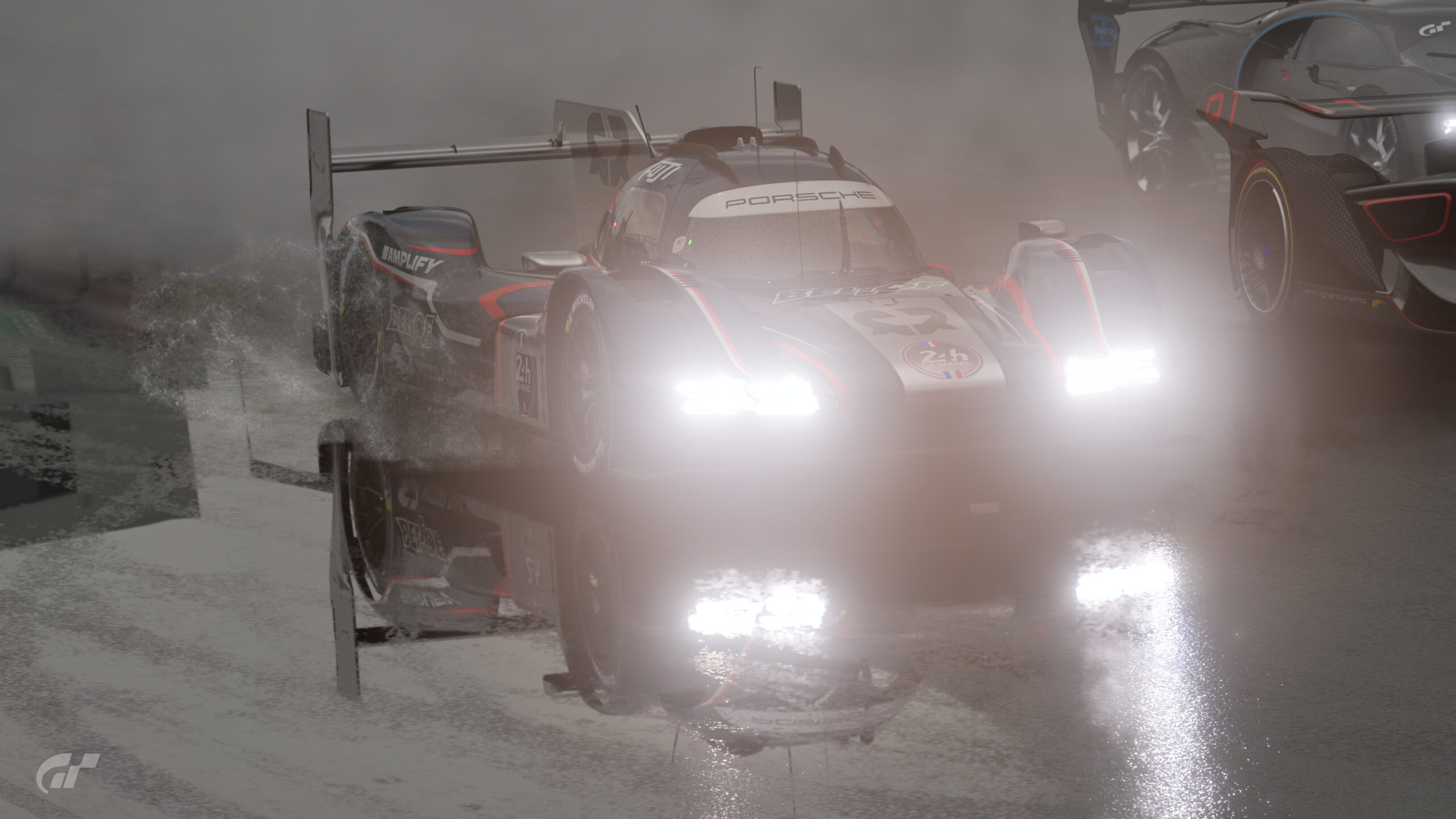
SUGO in GT7: Core Circuit Metrics
| Track Parameter | Specification Details |
|---|---|
| Location & Character | Miyagi Prefecture, Japan — Built entirely on a hillside with rolling elevation changes. |
| Circuit Length | 3,586 meters (13 Corners) |
| Elevation Change | 69.83 meters per lap, featuring blind crests and a 10% gradient final straight. |
| Weather Status | Full dynamic rain radar support (A first for a post-launch DLC track). |
1. The Demon of Sugo: Managing Downhill Braking Zones
A famous Japanese racing adage translates to: “An ogre lives at Sugo.” Because the course sits on a hillside with severe undulations, cars constantly go light over crests and compress heavily under braking.
When approaching heavy deceleration zones while descending, your car’s weight shifts violently forward. Under wet conditions, stabbing over 70% brake pressure will instantly trigger ABS chatter and wash your front tires straight into the barriers. The fix: Brake earlier than your eyes tell you, finish your hard straight-line braking before cresting a hump, and let the car breathe as the tires unweight.
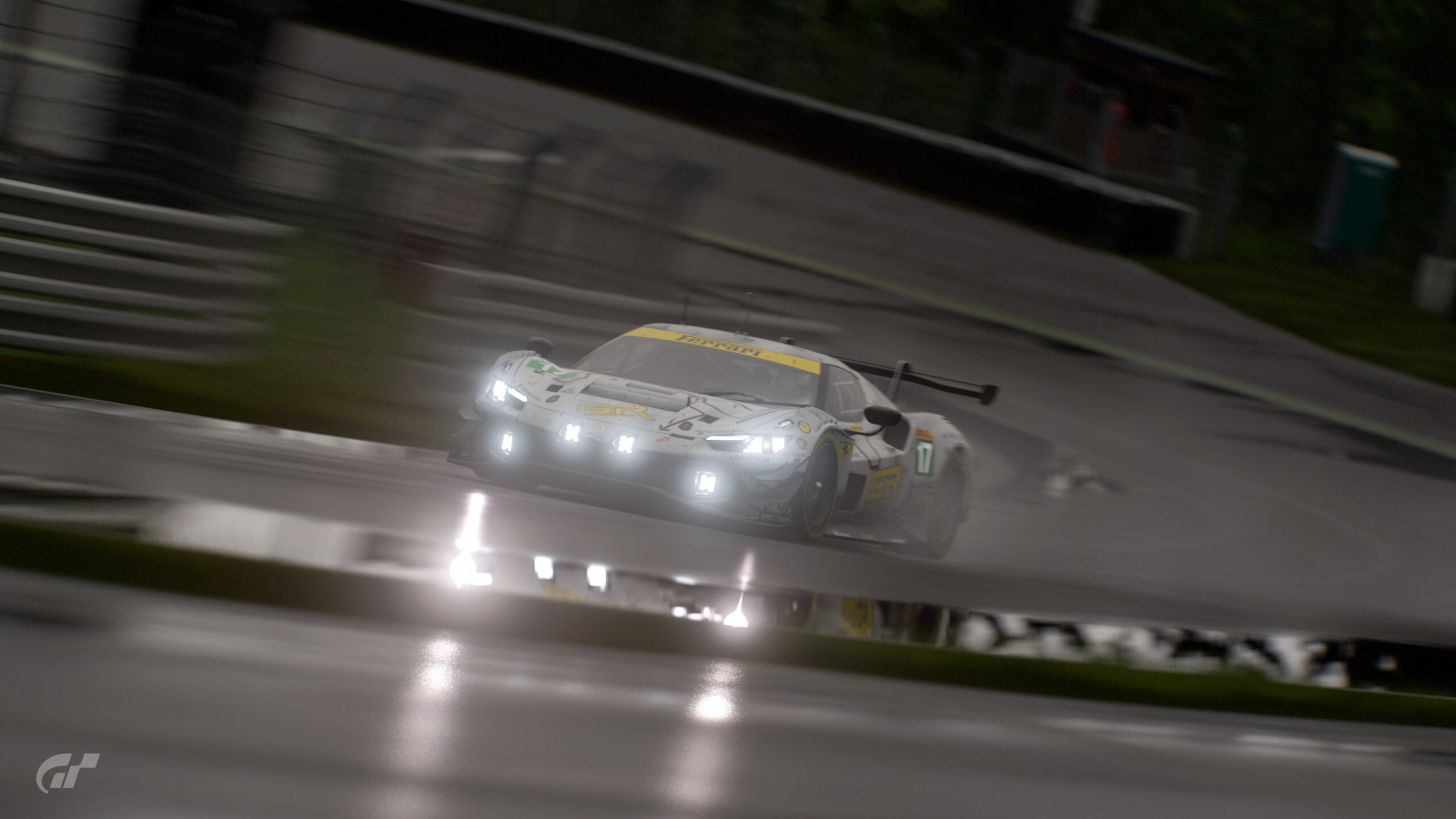
2. Wet Weather Strategy: Rain at Sugo
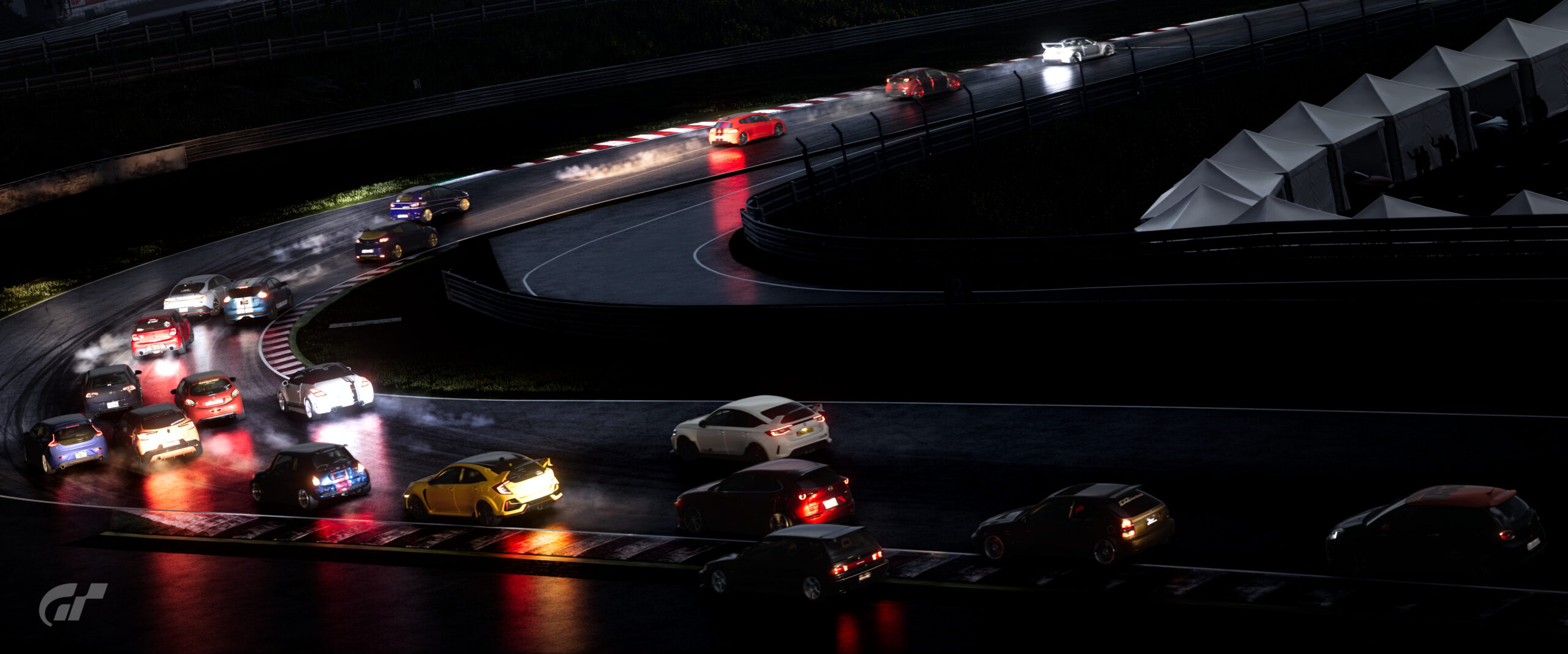
Sugo’s real-world counterpart is notorious for microclimate shifts, and Polyphony Digital modeled that volatility directly into GT7. When the skies open up:
- Avoid Standing Puddles: Low points on the track accumulate water rapidly, destroying aquaplaning grip. Move your racing line slightly offline where rubber and drainage maintain residual traction.
- Monitor Tire Thresholds: Transition to Intermediate or Wet compounds the exact second precipitation radar turns dark blue over the Miyagi hills. Do not try to hero-lap on racing slicks.
- Pedal Feedback is King: Feeling the exact moment of wheel slip through load-cell pedals and haptic reactors prevents catastrophic mid-corner spins.

3. Mastering the 10% Uphill Final Turn
The final corner onto the main straight is Sugo’s signature bottleneck. It features a steep 10% incline that dramatically compresses your suspension. Because you are climbing uphill, the car actually stops better than expected on entry and grips up early on exit.
Nailing this corner dictates your terminal velocity down the entire pit straight. Get on the throttle aggressively as soon as the chassis compresses over the rise to secure a vital drafting advantage.
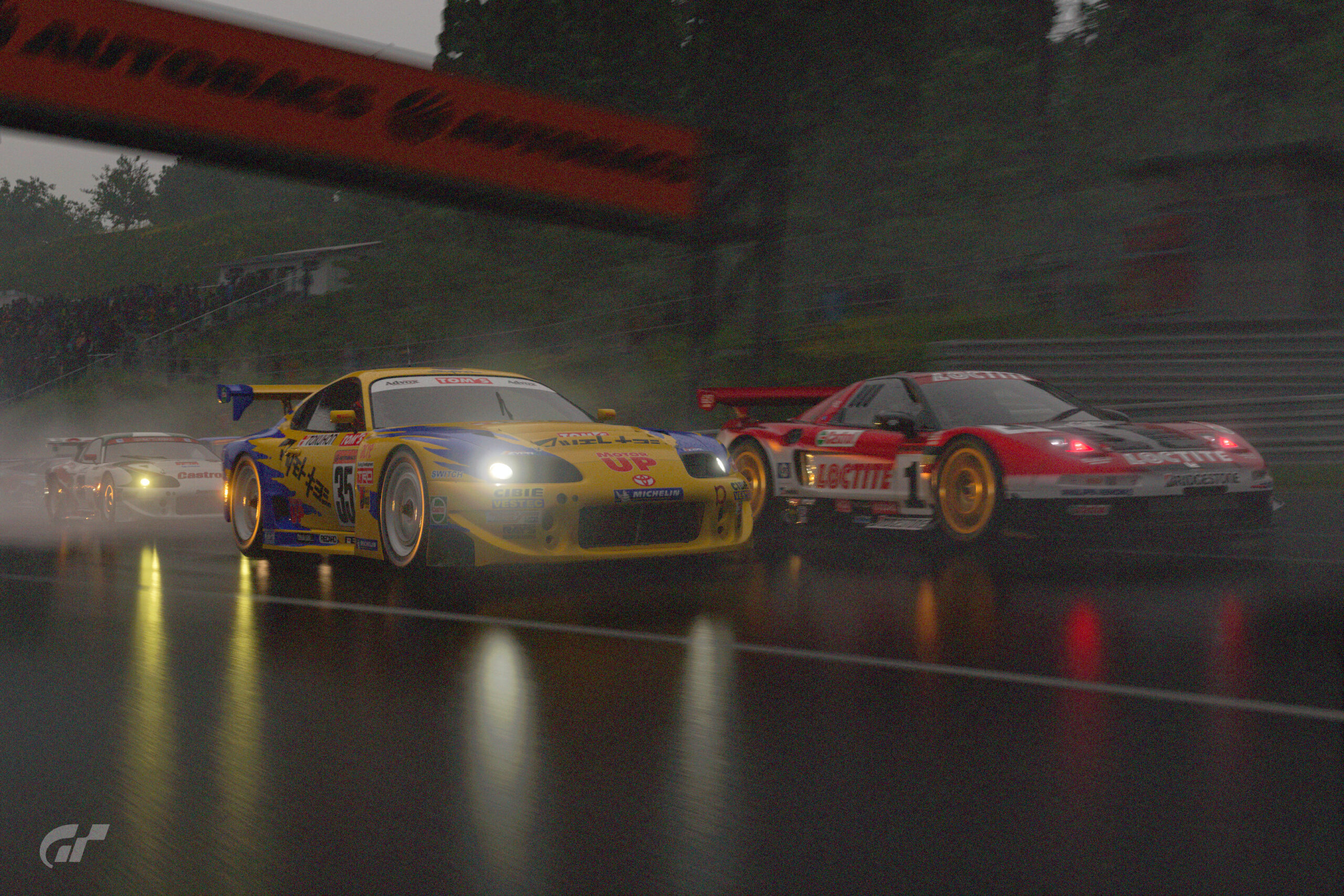
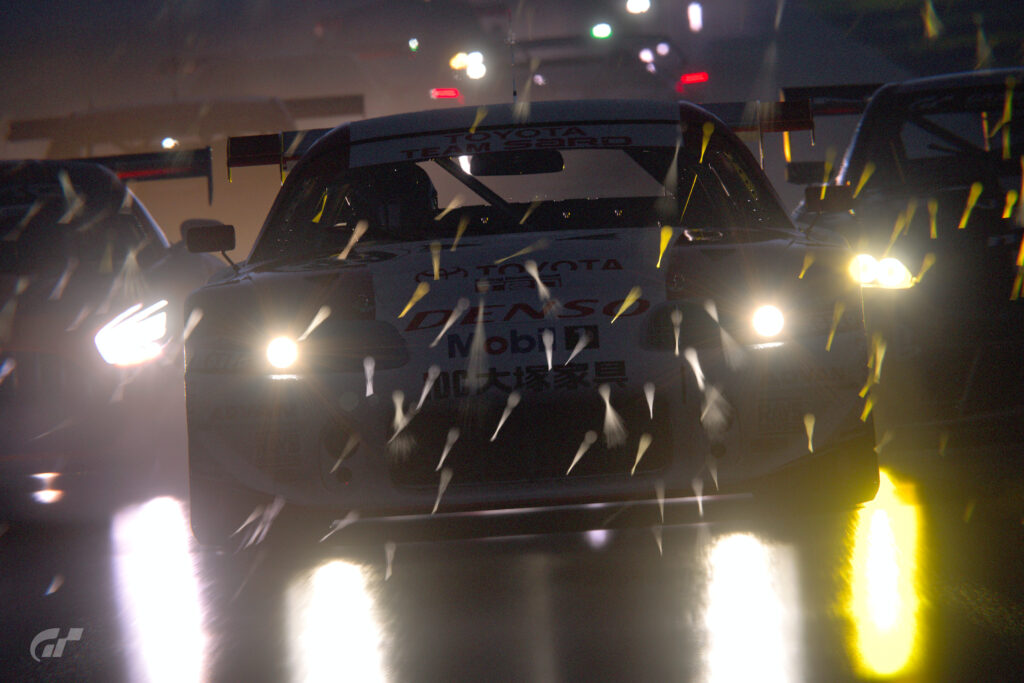
Circuit Paddock & Action Gallery